

SHOP COLLECTIONS
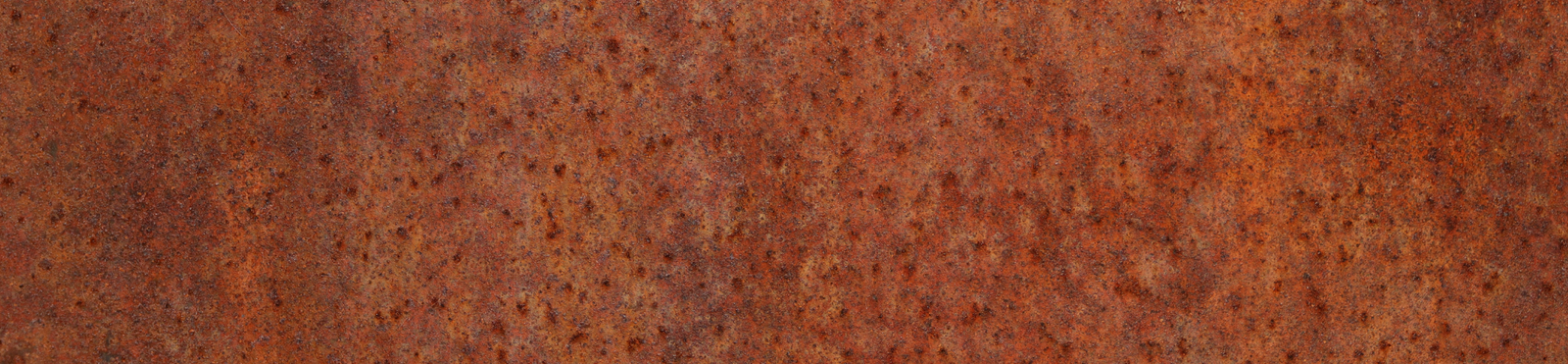

The Beauty of Rust: Understanding Corten Steel
November 12, 2025 3 min read
The Beauty of Rust: Understanding Corten Steel in Modern Design
There's something paradoxical about corten steel. At first glance, it looks like ordinary steel that's been left to decay—its surface covered in that familiar orange-brown patina of rust. Yet this "rusted" appearance is precisely what makes it one of the most sought-after materials in contemporary architecture and landscape design.
What Is Corten Steel?
Corten steel, also known as weathering steel, is a group of steel alloys developed to eliminate the need for painting by forming a stable rust-like appearance. The name "COR-TEN" comes from its two distinguishing properties: corrosion resistance and tensile strength.
Unlike regular steel that continues to rust and eventually deteriorates, corten steel develops a protective outer layer when exposed to weather. This dense oxide coating acts as a barrier, preventing further corrosion from penetrating deeper into the material. The result is a self-protecting steel that actually becomes more durable over time.
The Science Behind the Patina
The magic of corten steel lies in its chemical composition. Small amounts of copper, chromium, and nickel are added to the steel alloy, creating a material that responds uniquely to atmospheric conditions. When exposed to cycles of wet and dry weather, the surface oxidizes to form a protective layer—typically developing its characteristic rusty appearance within a few months to a year.
This patina evolves through distinct colour phases: starting with bright orange, transitioning to reddish-brown, and eventually settling into a deep, rich brown with purple undertones. The final colour can vary depending on environmental conditions, making each corten steel installation unique.
Why Designers Love It
Corten steel has become a favorite material for architects and designers for several compelling reasons. Its warm, earthy tones create a natural aesthetic that blends seamlessly with outdoor environments while providing a striking contrast to modern materials like glass and concrete. The material conveys both industrial strength and organic beauty—a rare combination that speaks to contemporary sensibilities.
From a practical standpoint, corten steel requires virtually no maintenance once the patina has fully developed. There's no need for painting, sealing, or regular upkeep, making it an economical choice over the lifespan of a structure. Its sustainability credentials are also impressive: corten steel is fully recyclable and its longevity means fewer resources are needed for replacement or maintenance.
Common Applications
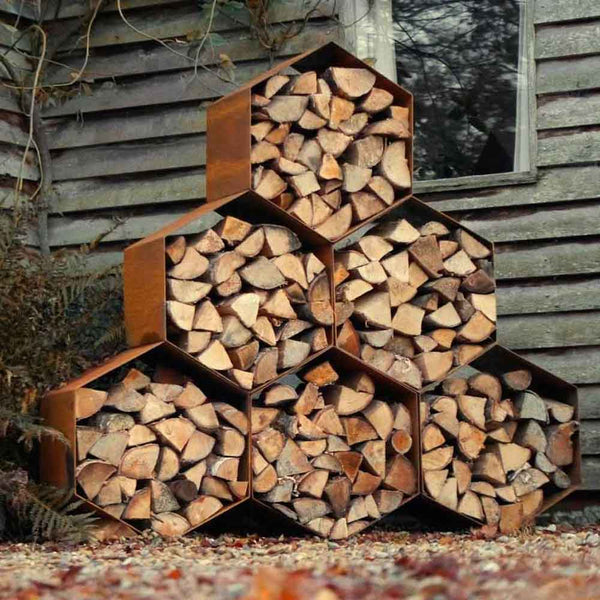
You'll find corten steel making bold statements across various design disciplines. In architecture, it's used for building facades, cladding panels, and structural elements that make contemporary buildings stand out. Landscape architects incorporate it into retaining walls, garden edging, planters, and sculptural elements that age gracefully alongside natural plantings.
Public art installations frequently feature corten steel, taking advantage of its weathered appearance to create pieces that feel both ancient and modern. Even in interior design, corten steel has found its place in feature walls, fireplace surrounds, and furniture, bringing an industrial-chic aesthetic indoors.
Things to Consider
While corten steel offers many advantages, it's not suitable for every application. The weathering process means the material will "bleed" rust-colored runoff during the first year or two, which can stain adjacent surfaces like concrete or light-colored stone. Proper drainage planning is essential.
In marine environments or areas with high salt exposure, corten steel may not perform as expected—the protective patina can struggle to form properly, leading to continued corrosion. Similarly, in areas that remain constantly wet without drying cycles, the steel may not develop its protective layer effectively.
The Future of Corten
As architecture and design continue to embrace materials that age with dignity rather than deteriorate, corten steel's popularity shows no signs of waning. Its combination of durability, sustainability, and distinctive aesthetics positions it perfectly for an era that values both function and form.
The beauty of corten steel lies in its honest expression of time and weather. Rather than fighting against nature, it collaborates with it—transforming what we typically view as decay into something protective, permanent, and undeniably beautiful. In a world of materials designed to look perpetually new, corten steel reminds us that there's profound beauty in letting things age naturally.
Whether you're considering it for a building facade, a garden wall, or an art installation, corten steel offers a unique opportunity to create spaces that tell a story—one that evolves and deepens with every passing season.
Subscribe
Sign up to get the latest on sales, new releases and more …
NEWSLETTER SIGN UP
WE DON'T EMAIL OFTEN. BUT WHEN WE DO IT'S SURE TO BE WORTH IT! GET NOTIFIED OF NEW OFFERS.