

SHOP COLLECTIONS
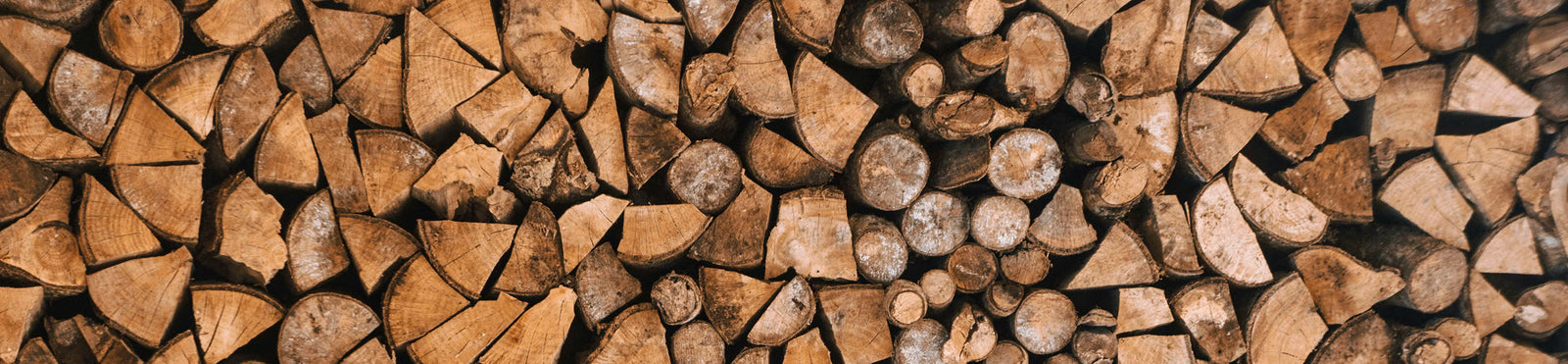

The Complete Guide to Chopping, Stacking, Storing and Drying Firewood
Januar 13, 2026 4 min lesen.
The Complete Guide to Chopping, Stacking, Storing and Drying Firewood
There's something deeply satisfying about a well-stocked woodpile. Whether you're heating your home with a wood burner, enjoying evenings around an outdoor fire pit, or simply appreciate the aesthetic of neatly stored logs, understanding how to properly prepare and store your firewood makes all the difference to how well it burns.
Why Properly Seasoned Firewood Matters
Freshly cut wood contains up to 50% water by weight. Burning unseasoned or "green" wood is inefficient, produces excessive smoke, creates dangerous creosote build-up in chimneys, and generates far less heat than properly dried logs. Well-seasoned firewood should have a moisture content of 20% or less, burning cleaner, hotter, and more efficiently.
Chopping and Splitting Your Logs
The first step to well-seasoned firewood begins with how you split it. Smaller pieces dry faster than large rounds, so aim to split your logs to around 10-15cm in diameter. This exposes more surface area to the air and significantly reduces drying time.
Split your wood as soon as possible after felling. Leaving rounds intact allows the bark to seal in moisture, extending the seasoning process by months or even years. A good splitting axe or log splitter will make quick work of most hardwoods, though particularly gnarly pieces may require a splitting wedge and sledgehammer.
How to Stack Firewood for Optimal Drying
Proper stacking is crucial for effective seasoning. The goal is maximum airflow around each piece of wood whilst keeping your stack stable and protected from rain.
Stack off the ground. Logs in direct contact with soil absorb moisture and are prone to rot. A purpose-built log storekeeps your wood elevated and protected, whilst pallets or rails work as a basic alternative.
Leave gaps for airflow. Resist the temptation to pack logs tightly together. Small gaps between pieces allow air to circulate freely, drawing moisture away from the wood. This is why log stores with open backs are particularly effective—they create a natural chimney effect that promotes continuous airflow.
Position bark-side up on exposed stacks. If your wood isn't fully covered, placing logs bark-side up helps shed rainwater. For wood stored in a quality log store with overhead protection, you can position logs however fits best.
Don't stack too deep. A depth of around 40cm allows air to penetrate the entire stack. Any deeper and the logs at the back may struggle to dry properly.
Choosing the Right Storage Solution
Where and how you store your firewood has a significant impact on drying times and the final quality of your fuel. The ideal log store offers several key features: protection from rain whilst allowing excellent ventilation, elevation from ground moisture, and easy access when you need to grab an armful for the fire.
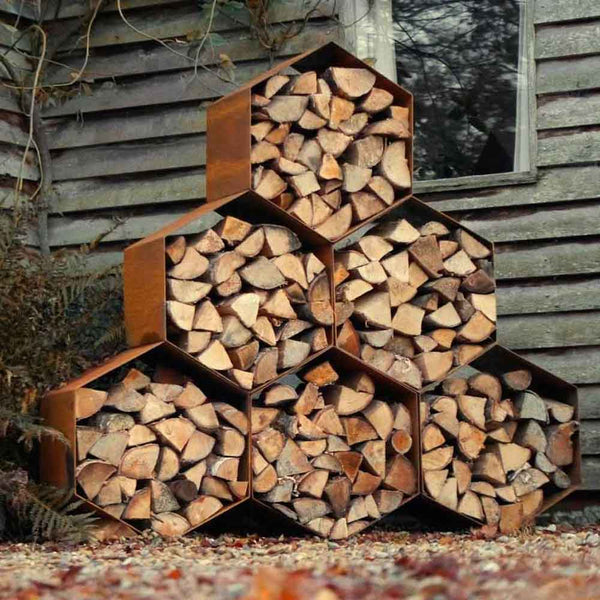
Traditional wooden log stores can work well but require maintenance and eventually rot. Modern alternatives in weather-resistant materials offer longevity without upkeep. Our Woodstock Corten Steel Log Stores are designed specifically with seasoning in mind. The open-back construction creates ideal airflow conditions whilst the durable Corten steel develops a beautiful weathered patina that actually protects the metal beneath.
Available in a range of shapes and sizes, from striking circular designs that become a garden focal point to modular squares, hexagons, and triangles that can be configured to suit any space, there's a solution for every garden and storage requirement.
Location Matters
Position your log store thoughtfully. A spot that catches the breeze will speed up drying considerably. South or west-facing locations benefit from afternoon sun, which warms the wood and encourages moisture to evaporate. Avoid placing your store hard against walls where air cannot circulate around the back, or choose a design with an open back that maintains airflow even when wall-mounted.
Keep your main wood store away from the house if possible. This reduces the risk of bringing wood-boring insects indoors and provides a natural excuse for a brisk walk on cold evenings.
How Long Does Firewood Take to Dry?
Seasoning times vary considerably depending on wood species, how it's split, and storage conditions:
- Softwoods (pine, spruce, fir): 6-12 months
- Medium hardwoods (birch, cherry, willow): 12-18 months
- Dense hardwoods (oak, ash, beech): 18-24 months
These timescales assume proper storage with good airflow. Poorly stored wood may take twice as long to season, or never reach optimal dryness at all.
Testing If Your Wood Is Ready
The surest way to check moisture content is with a moisture meter, an inexpensive tool that gives instant readings. Insert the probes into a freshly split surface (not the weathered exterior) and look for readings of 20% or below.
Without a meter, there are several useful indicators: seasoned wood is lighter in weight, has visible cracks radiating from the centre, sounds hollow when knocked together, and the bark peels away easily. Properly dried firewood also ignites readily and burns with minimal hissing or sputtering.
Bringing It All Together
The best firewood comes from a simple combination: splitting your logs to a manageable size, stacking them with plenty of airflow, storing them in a well-ventilated and weather-protected space, and giving them adequate time to season. Get these elements right, and you'll be rewarded with wood that lights easily, burns hot, and produces that wonderfully satisfying crackle that makes a real fire so appealing.
Looking for a log store that combines practical performance with stunning design? Browse our complete collection of Corten Steel Log Stores, handmade in Surrey and built to last a lifetime.
Related: Fire Pits with Built-in Log Storage | View All Log Stores
Subscribe
Sign up to get the latest on sales, new releases and more …
NEWSLETTER SIGN UP
WE DON'T EMAIL OFTEN. BUT WHEN WE DO IT'S SURE TO BE WORTH IT! GET NOTIFIED OF NEW OFFERS.